
Precision Manufacturing Portfolio & Active Production Units
Explore our pre-qualified fabrication capabilities covering rigid-flex structures, heavy copper power substrates, ultra-dense multilayer stacks, and thermal management aluminum boards.

Single & Double-Sided, Multi-Layer Rigid Flex PCB Factory Manufacturers, Quotes
Inquire Product Details
Heavy Copper PCB for Power Converters - High Current Capacity & Heat Dissipation from China Suppliers
Inquire Product Details
High-Quality China Multilayer PCB Suppliers - 1-60 Layers PCBs, IPC2 Grade, 48 Hours Lead Time
Inquire Product Details
High Thermal Conductivity Aluminum PCB from China Suppliers - Reliable Factory Production Manufacturers
Inquire Product Details
Famous Heavy Copper PCB for Power Converters - Top China Suppliers & Factory for Strong Current
Inquire Product Details
ODM Aluminum PCB Suppliers, Direct Engineering Quotes & Thermal Simulation Support
Inquire Product Details
ODM Raspberry Pi HAT: Affordable Mini Computer from China Suppliers for IoT Projects
Inquire Product Details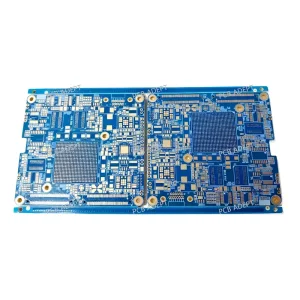
Famous High-Quality RF & Microwave PCBs from China - Precision Impedance Control ≥500MHz
Inquire Product DetailsHigh-Reliability Rigid-Flex Engineering: Eliminating Connectors, Maximizing Space
In modern mission-critical electronics, standard PCB interconnects using wire harnesses and board-to-board pin headers present thermal bottlenecks, vibrational failure modes, and impedance mismatches. Rigid-flex printed circuit boards represent a monolithic hybrid architecture that fuses flexible polyimide substrates with high-Tg FR-4 or high-frequency hydrocarbon rigid laminates.
Advanced Polyimide Dielectrics
Adhesiveless Polyimide Flexible Copper Clad Laminates (FCCL) provide superior dimensional stability, thermal endurance, and uniform dielectric constant (Dk 3.2–3.4). By removing acrylic and epoxy adhesive layers, our boards eliminate micro-delamination and copper barrel fatigue during repetitive reflow cycles up to 288°C.
- Polyimide core thicknesses: 12.5µm, 25µm, 50µm
- Rolled Annealed (RA) copper for dynamic flexing
- Electro-deposited (ED) copper for ultra-fine static bends
No-Flow Prepreg & Transition Chemistry
The boundary where rigid FR-4 sections meet dynamic flex segments is prone to resin bleed that damages flex zones. PCB ADEPT uses low-flow and no-flow prepregs with tailored rheological flow profiles, vacuum-assisted hydraulic press profiling, and laser pre-milling to achieve a razor-sharp, stress-relieved transition line.
- Zero-resin invasion into designated dynamic zones
- Polyimide and stainless steel selective stiffeners
- Conformal coverlay bonding via vacuum thermo-compression
High-Density Interconnect & Microvias
Complex rigid-flex architectures demand staggered, stacked, and via-in-pad plated microvias (VIPPO) spanning multiple lamination cycles. We deploy UV laser drilling systems achieving 50µm hole diameters, combined with pulse reverse electroplating for 100% flat copper via fill, ensuring unmatched signal integrity.
- HDI stackups from 1+N+1 to 4+N+4
- Laser microvias with aspect ratios up to 1:1
- Controlled differential impedance matched to ±5%
Technical Roadmap & Future Outlook: Next-Gen Interconnect Architectures
As computing nodes accelerate toward edge artificial intelligence, millimeter-wave radar, and wearable medical diagnostic implants, the limitations of standard interconnect architectures become obvious. Here is the engineering roadmap guiding PCB ADEPT's R&D investments from 2026 to 2030.
Liquid Crystal Polymer (LCP) Adoption
While Polyimide remains the standard for flex circuits, its moisture absorption rate (0.8–1.5%) leads to phase shifts and dielectric degradation above 20 GHz. PCB ADEPT is expanding commercial fabrication of thermoplastic Liquid Crystal Polymer (LCP) boards featuring moisture absorption <0.04% and stable dissipation factor (Df 0.002) up to 110 GHz, unlocking true 6G and automotive lidar integration.
Embedded Passives & Silicon Cavities
By embedding thin-film resistors, planar capacitors, and bare silicon dies directly within intermediate rigid core layers, we shrink PCB footprint by an additional 35%. This architecture leaves outer layers completely unencumbered for micro-BGA components (down to 0.3mm ball pitch) while shortening high-speed current loops to eliminate parasitic inductance.
mSAP Semi-Additive Trace Miniaturization
Traditional subtractive chemical etching causes trapezoidal copper profile undercut when line width/spacing drops below 50µm/50µm. Our modified Semi-Additive Process (mSAP) leverages ultra-thin seed copper (2–3µm) and pattern electroplating, achieving vertical sidewall conductors at 25µm/25µm geometry for extreme HDI flex routing in next-gen aerospace avionics.
Macro Industry Solutions: Mission-Critical Applications & Case Validation
Reliability expectations vary drastically between high-vibration aerospace hardware and disposable medical sensors. Our engineering teams customize laminate selection, solder mask elasticity, and testing protocols to match rigorous sector standards.
Aerospace, Defense & Anti-Drone Systems
Avionics systems in modern defense systems face severe mechanical g-forces, rapid thermal cycling (-55°C to +125°C), and dense electromagnetic interference. PCB ADEPT produces IPC-6013 Class 3 rigid-flex boards featuring copper-mesh EMI shielding, teardrop reinforced pads, and ENEPIG surface finishes that resist black pad defects and ensure gold-wire bonding integrity.
Medical Diagnostic Implants & Wearables
For wearable cardiac monitors, endoscopy cameras, and neural interfaces, rigid-flex substrates deliver high routing density in ultra-thin envelopes. Utilizing biocompatible coverlays and halogen-free, non-toxic materials, our assemblies pass rigorous biocompatibility screenings and withstand high-pressure autoclave sterilization cycles without layer separation.
Automotive Power Electronics & EV BMS
Electric vehicle battery management systems (BMS) require boards that handle high current fluctuations while continuously sensing micro-volt cell differentials. We combine heavy copper rigid power layers (up to 6oz) with flexible polyimide trace fingers that connect battery terminals without fragile crimped wire looms, eliminating up to 40% of harness assembly labor.
Industrial Automation & Robotics
Robotic end-effectors and multi-axis articulating arms perform millions of continuous bending cycles during lifetime operation. Our dynamic flex sections are engineered using rolled annealed copper, neutral bend axis layer placement, and unbonded loose-leaf multi-layer flex designs that easily achieve 10,000,000+ continuous flex cycles at tight bend radii.
Telecommunications & RF Microwave
Hybrid rigid-flex laminations combining Rogers RO4350B or RO3003 high-frequency ceramic substrates with standard polyimide flex allow clean RF signal propagation with low insertion loss, directly coupling phased-array antenna front-ends to baseband DSP computing cores without expensive coaxial cable junctions.
Edge Computing & Anti-Vibration IoT
Harsh industrial IoT gateways mounted on drilling equipment, marine vessels, or agricultural tractors cannot afford intermittent pin solder fatigue. Rigid-flex assemblies absorb external mechanical vibrations through flexible hinge sections, isolating delicate 01005 passives and fine-pitch BGAs from resonant fatigue.
China Factory 4.0: Supply Chain Resilience & Efficiency Advantages
Operating in Shenzhen—the hardware capital of the world—PCB ADEPT (Shenzhen ICSLOVE Technology) couples world-class component supply networks with an advanced, fully digitized manufacturing facility.
Shenzhen Component Hub Synergy
Located in Bao'an District, adjacent to Huaqiangbei and premier authorized distributor distribution centers, our sourcing team secures authentic components with minimal transit delays. Over 10 years of relationships with Texas Instruments, Analog Devices, STMicroelectronics, Microchip, Murata, and TE Connectivity guarantee traceable supply chains and rapid alternatives when allocations tighten.
Digital MES Closed-Loop Traceability
Every lot traveling through our 8,000 m² workshop is managed via our Manufacturing Execution System (MES). Solder paste inspection (SPI), pre-reflow AOI, multi-angle 3D post-reflow optical inspection, and automated X-ray inspection (AXI) stream parameter logs into an unalterable digital twin, providing serialized audit logs for every PCBA.
Agile Turnaround: 48-Hour Fast Tracks
With 6 high-speed YAMAHA SMT lines and 4 dedicated DIP through-hole lines, our plant eliminates schedule contention between prototype pilot lines and volume production runs. Standard 4-to-8 layer rigid-flex prototypes ship in as fast as 3 to 9 days, while standard multilayer quick-turn boards can ship within 48 hours for expedited design verification.
Rigid-Flex Manufacturing Cost Drivers & Engineering Pricelist
Understanding cost formation in rigid-flex fabrication allows hardware procurement teams to optimize PCB panel utilization, layer stackups, and hole aspect ratios before finalizing Gerbers. The matrix below outlines realistic fabrication baseline pricing.
| Layer Count / Architecture | Core Base Materials | Min Trace / Space | Surface Finish | Lead Time (Prototypes) | Est. Benchmark Price (Sample / Lot) |
|---|---|---|---|---|---|
| 2-Layer Flex (1R + 1F) | PI 25µm + FR-4 Stiffener | 0.075 / 0.075 mm | Immersion Gold (ENIG) | 4 - 6 Working Days | $120 – $180 / Lot |
| 4-Layer Rigid-Flex (2R + 2F) | Adhesiveless PI + Shengyi S1000-2 | 0.075 / 0.075 mm | ENIG 1-2u" | 5 - 7 Working Days | $240 – $360 / Lot |
| 6-Layer Rigid-Flex (4R + 2F) | PI + High-Tg FR-4 (Tg 170°C) | 0.065 / 0.065 mm | ENIG / OSP Optional | 7 - 9 Working Days | $380 – $520 / Lot |
| 8-Layer Rigid-Flex (6R + 2F) | DuPont Pyralux + High-Tg FR4 | 0.050 / 0.050 mm | ENEPIG / Hard Gold | 8 - 11 Working Days | $580 – $780 / Lot |
| 10–16 Layer HDI Rigid-Flex | Hybrid Polyimide + Laser Via HDI | 0.040 / 0.040 mm | ENEPIG (Wire Bondable) | 10 - 14 Working Days | Custom DFM Quote |
| Heavy Copper Rigid-Flex (3–6oz) | High Thermal Base + PI Core | 0.150 / 0.150 mm | ENIG / Immersion Silver | 8 - 12 Working Days | Engineering Quote |
*Note: Benchmark pricing reflects standard prototype setup (5–10 pcs, ≤100x100mm per board). Exact quotation depends on panelization, copper weight, via-fill requirements, and gold thickness specifications.
What Tier-1 Global Procurement Teams Demand in a Rigid-Flex Partner
Enterprise procurement professionals in North America, Europe, and East Asia look beyond superficial unit price tags. When sourcing rigid-flex PCBs, hardware reliability across the 10-year lifecycle is paramount.
Proactive DFM/DFA Design Audits
Global engineering teams require immediate feedback on coverlay clearance, trace widening at flex-to-rigid transitions, neutral bend axis layer placement, and teardrop fillets. Our pre-production DFM check catches design pitfalls before costly copper lamination begins, eliminating production rework.
BOM Optimization & Alternate Vetting
Silicon shortages and component obsolescence can halt manufacturing lines for months. PCB ADEPT reviews BOMs line by line to identify end-of-life components, recommending drop-in pin-compatible alternatives from reputable brands to save up to 15% on procurement budgets while guaranteeing part availability.
Complete Turnkey Box-Build Capabilities
Procurement teams prefer a single accountable supplier over separate PCB board mills, SMT assembly shops, cable assemblers, and testing houses. Beyond surface mount assembly, we deliver CNC enclosure machining, custom plastic injection tooling, firmware flashing, conformal coating, functional aging tests, and retail-ready packaging under one roof.
Localized Support & International Compliance Assurance
Serving clients in over 50 countries requires rigorous adherence to international trade laws, lead-free environmental directives, and round-the-clock technical communication.
24/7 Global Engineering Desk
Our bilingual English-speaking sales and field application engineering staff operate on rolling shifts covering North American (EST/PST), European (CET), and Asia-Pacific working hours. Receive prompt DFM query resolutions, Gerber design checks, and quotation turnaround within 2 to 6 hours.
International Certification Standards
Our quality management operations conform strictly to ISO 9001:2015. All rigid-flex boards are certified to UL 94V-0 flammability ratings, fully compliant with EU RoHS (Directive 2011/65/EU and 2015/863) and REACH SVHC regulations, ensuring seamless customs clearance and regulatory entry worldwide.
Secure Logistics & DDP Delivery
Partnered directly with DHL Express, FedEx, UPS, and premier international freight forwarders, PCB ADEPT offers door-to-door Delivered Duty Paid (DDP) logistics. We handle all import clearance paperwork, customs tariffs, and local vat declarations, delivering finished boards directly to your receiving dock in 2 to 5 transit days.
Frequently Asked Questions on Rigid-Flex Design & Turnkey Procurement
Authoritative technical answers to common questions asked by hardware developers, DFM engineers, and global procurement managers.
What are the key technical differences between adhesive and adhesiveless flexible copper clad laminates (FCCL)?
Adhesive-based flexible copper clad laminates bond polyimide films to copper foils using modified acrylic or epoxy adhesive layers (typically 12.5µm to 25µm thick). While cheaper, these adhesive layers have a lower glass transition temperature (Tg), high z-axis thermal expansion (CTE), and absorb moisture, which can cause pad lifting and micro-via failure during lead-free soldering.
Adhesiveless FCCLs cast the polyimide film directly onto the copper foil or use thin barrier coatings. This eliminates the weak adhesive interface, resulting in thinner board profiles, superior dimensional stability, tighter bend radii, lower dielectric loss, and the ability to withstand high-temp lead-free reflow (260°C–288°C) without delamination.
How do you calculate and optimize the minimum bend radius for a dynamic flex section?
In IPC-2223 design standards, the minimum bend radius is determined by whether the flex circuit is static (flex-to-install) or dynamic (flexing continuously throughout operational lifetime):
- Static (Flex-to-fit): Minimum Bend Radius = 6× to 10× total flex thickness. For a 1-layer or 2-layer flex of 0.12mm total thickness, the minimum static bend radius is ~0.72mm to 1.2mm.
- Dynamic (Continuous motion): Minimum Bend Radius = 20× to 40× total flex thickness. Dynamic flex circuits must always locate conductors on the neutral bend axis (preferably single-sided copper in the bend region), use Rolled Annealed (RA) copper, and avoid vias, plated holes, or trace corners within 2.5mm of the bend transition.
What precautions are taken to prevent resin bleed from the rigid prepreg into the dynamic flex zone?
Resin bleed into the flexible section creates brittle stress points where flex circuits crack during installation. PCB ADEPT prevents resin bleed through three synchronized manufacturing controls: first, we utilize no-flow or low-flow prepregs with precise cure viscosity; second, we pre-mill clearance pockets in the prepreg sheets using high-precision CNC routers or UV laser cutters before layup; and third, our hydraulic vacuum lamination presses run custom multi-stage pressure profiles that cure the bonding matrix before resin can squeeze past the rigid boundary.
What files and data packages are required for an accurate turnkey rigid-flex quotation?
To deliver a firm quotation within 2 to 6 hours, our engineering department requires:
- Gerber RS-274X or ODB++ files: Containing distinct layer data including outer copper, inner cores, soldermask, coverlay cutouts, stiffener placements, and drill files.
- Layer Stackup Drawing: Detailed cross-section indicating dielectric types, polyimide thicknesses, copper weights (1/3oz, 1/2oz, 1oz), and rigid/flex zone boundaries.
- BOM (Bill of Materials): Complete with exact manufacturer part numbers (MPN), descriptions, designators, and approved alternative brands.
- Centroid / Pick-and-Place File: For SMT placement verification across both rigid zones and panel carrier rails.
Can rigid-flex PCBs be wave soldered or passed through standard lead-free SMT reflow ovens?
Yes. Rigid-flex assemblies are fully compatible with lead-free surface mount reflow (peak temperature 245°C–260°C) and selective wave soldering. However, polyimide materials are hygroscopic and absorb atmospheric moisture during storage. Prior to SMT reflow, boards must undergo a controlled pre-bake cycle (typically 105°C–120°C for 2 to 4 hours) to eliminate trapped moisture, preventing delamination, blistering, or solder joint voiding.
How does PCB ADEPT guarantee component authenticity and prevent counterfeit parts?
All active semiconductors and passive components are procured directly from original manufacturers or Tier-1 franchised global distributors (e.g., Digi-Key, Mouser, Arrow, Avnet, and authorized domestic direct channels). Incoming materials pass stringent IQC protocols including microscopic packaging verification, lot date code cross-checks, pin coplanarity tests, and optional X-ray die analysis and solderability testing for high-risk component lots.
High-Frequency, HDI & Custom Electronic Board Solutions
Browse our advanced high-density interconnect (HDI) matrices, low-loss RF microwave laminates, and specialized embedded prototyping boards built to international quality standards.

High-Quality High Frequency PCB Solutions: Quality Products from China for Signal Integrity & EMI Reduction
Inquire Product Details
OEM China RF & Microwave PCB Suppliers - Low Loss, Precision Impedance Control for ≥500MHz Frequency
Inquire Product Details
China Suppliers Rigid Flex PCB Factory - Single & Double-Sided, 4-16 Layer Complex Multi-Layer Options
Inquire Product Details
High-Quality Multilayer PCB Manufacturer, Companies, Multi-Layer Stackup Design & Turnkey Supply
Inquire Product Details
China High-Density Interconnect PCBs from China | Trusted Suppliers and Factory for Quality HDI Boards
Inquire Product Details
China High-Quality 1-60 Layers Multilayer PCB | Fast Lead Time 48 Hours | IPC2 Grade Factory Supplier
Inquire Product Details
High-Quality High-Density Interconnect HDI PCB from China - Leading Factory for Advanced Electronics Quotes
Inquire Product Details
High-Quality China Raspberry Pi HAT: Affordable Mini Single-Board Computer from Reliable Trusted Factory
Inquire Product DetailsAccelerate Your Hardware Build with PCB ADEPT
Send your Gerber packages and BOM documentation today for an immediate, non-disclosure-protected engineering review, DFM stackup consultation, and guaranteed factory-direct pricing.