
Top PCB Fabrication and Assembly Suppliers in China?

Time:2026-11-01 Author:Charlotte
0%

Choosing among China’s top PCB suppliers requires more than comparing prices or browsing polished factory websites. Pcb Fabrication And Assembly projects depend on trace geometry, layer count, material selection, component sourcing, and inspection discipline. A supplier that handles a simple two-layer board may struggle with controlled impedance, HDI structures, or dense BGA packages. Practical evaluation should examine the entire process, from engineering review to final shipment.

Experienced buyers usually request a detailed stack-up, fabrication drawings, sample reports, and production references. They also verify whether the factory performs AOI, flying-probe testing, X-ray inspection, and functional testing in-house. Certifications such as ISO 9001 can support confidence, but they do not replace technical evidence. Clear communication matters too. A reliable supplier should explain tolerance limits, laminate availability, tooling charges, and realistic lead times before production begins.

This comparison focuses on suppliers with demonstrated manufacturing capabilities, responsive engineering teams, and traceable quality procedures. It considers prototype support, volume production, assembly accuracy, and after-sales communication. Some published information may change. That is worth remembering. Factory capacity, equipment, and certifications should be confirmed directly before placing an order. A sample may look excellent, yet reveal little about long-term consistency. The strongest sourcing decision usually combines documentation, technical discussion, sample inspection, and an honest review of project risks. No supplier fits every application. That uncomfortable point deserves attention.
Top PCB Fabrication and Assembly Suppliers in China?

What PCB Fabrication and Assembly Suppliers Do

Top PCB Fabrication and Assembly Suppliers in China?

PCB fabrication and assembly suppliers turn electronic designs into tested circuit boards. Their work begins with reviewing Gerber files, schematics, and board stackups. Engineers check trace widths, hole sizes, copper thickness, and controlled impedance requirements. They also identify manufacturing risks before production starts. A missing tolerance can cause costly delays.

Fabrication teams build multilayer boards from materials such as FR-4 or specialized laminates. They laminate copper layers, drill vias, apply solder masks, and finish exposed pads. Surface finishes may include lead-free HASL or ENIG, depending on the application. Good suppliers record lot numbers and inspection results. This creates practical traceability.

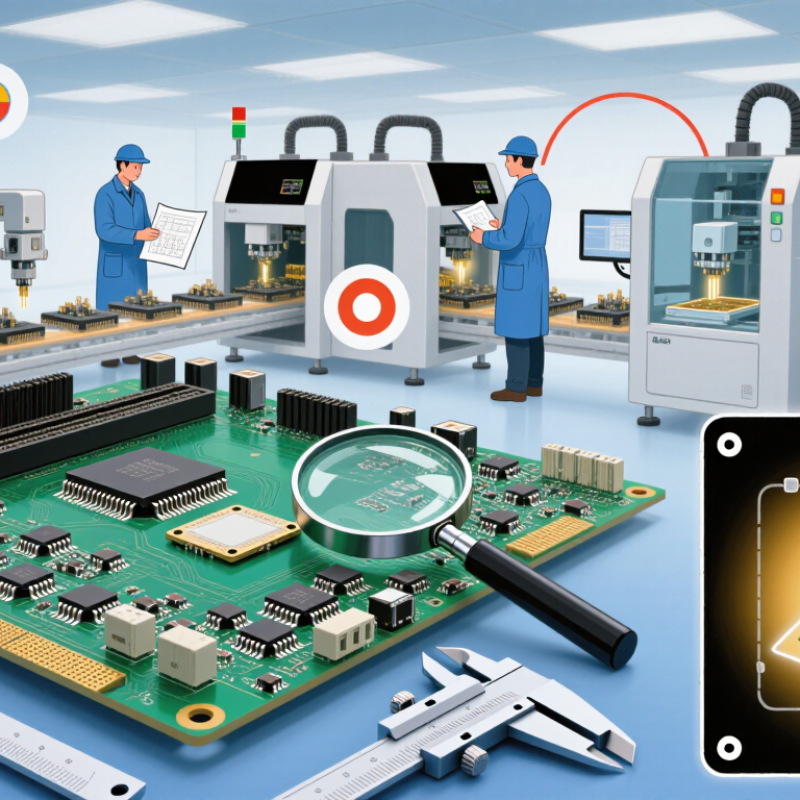
Assembly departments place components using automated pick-and-place equipment. Reflow ovens then solder parts according to a controlled temperature profile. Operators may complete unusual or large components by hand. Inspection can include automated optical inspection, flying-probe testing, and X-ray analysis. Functional testing checks whether the finished board performs as designed.

Supplier teams often support prototype builds, engineering changes, and volume production. They can help source components, manage approved substitutes, and coordinate packaging. However, communication is not always perfect. A translated note or unclear revision can still create confusion. Customers should confirm drawings, testing standards, delivery terms, and change-control procedures in writing. A capable supplier asks detailed questions before accepting the purchase order.

How to Evaluate Chinese PCB Manufacturing Capabilities

Top PCB Fabrication and Assembly Suppliers in China?

Choosing a supplier means checking process control, not just quoted price or factory size. Prismark’s 2024 industry review estimated global PCB production at about US$68.9 billion in 2023, after a steep year-on-year decline. That figure shows the market’s scale, not the capability of any individual factory. Numbers need context. Ask for recent, anonymized yield and defect data for boards with similar layer counts, materials, and tolerances. A six-layer FR-4 board is not a fair benchmark for a high-density interconnect design.

Review the evidence behind each capability claim. Request a sample stack-up, impedance test report, drill-registration results, and copper-thickness records. Check whether the supplier follows relevant IPC acceptance criteria, and confirm how it handles nonconforming boards. For assembly, examine solder-paste inspection, component traceability, and functional-test coverage. Ask how process changes are recorded between prototype and production. A polished audit packet can still miss an unstable process; I would compare its measurements with a pilot lot and inspect several bare boards under magnification. Be cautious if a supplier reports only a single yield percentage without defining the product mix, inspection method, or time period.

Leading PCB Fabrication and Assembly Supplier Categories

China’s PCB supplier market is best compared by capability, not factory size. The main fabrication categories include rigid boards, flexible circuits, rigid-flex boards, HDI boards, and metal-core boards. Each serves different design pressures. Rigid boards suit cost-sensitive control systems. Flexible circuits reduce wiring volume in compact products. HDI supports fine lines, stacked microvias, and dense interconnects.

Assembly suppliers generally fall into prototype, high-mix low-volume, and high-volume production categories. Some provide turnkey PCBA services, including component sourcing, SMT placement, through-hole assembly, inspection, and functional testing. Others focus only on bare-board fabrication or assembly. IPC’s 2024 Electronics Industry Survey reported continuing concerns about material costs, delivery performance, and skilled labor. These factors make supplier audits more valuable than attractive quotations.

Market scale also matters. The 2024 Prismark PCB Industry Report estimated global PCB sales at approximately US$69 billion in 2023, with recovery expected as electronics demand improves. China remains a major manufacturing base, but capability varies sharply between facilities. Buyers should verify layer capability, minimum trace and spacing, via structures, impedance control, and certification records. Ask for recent inspection data. Check sample lots. A polished website proves little. In my experience, the weakest comparison is treating every “full-service” supplier as equivalent; assembly yield, engineering feedback, and change-control discipline often reveal the real difference. Mistakes happen. Reliable suppliers show how they respond.

Quality Standards, Certifications, and Production Controls

Top PCB Fabrication and Assembly Suppliers in China? Quality Standards, Certifications, and Production Controls

Quality claims matter only when they connect to verifiable production records. When evaluating a supplier, ask which quality management certifications are current and whether their scope covers the specific factory and processes involved. A certificate alone is not proof of consistent workmanship. Request sample inspection reports, process-control plans, and documented procedures for handling defects. Check whether the supplier can trace a finished board to its laminate batch, solder paste lot, and assembly date. Details count.

Production controls should match the board’s design and use. For fabrication, review how the supplier monitors copper thickness, hole plating, layer alignment, and impedance where specified. For assembly, ask about solder paste inspection, placement accuracy, reflow profiling, and visual or automated inspection criteria. A useful response includes actual acceptance limits, not just promises of “high quality.” Ask how test results are recorded and how corrective actions are verified. Can they show a redacted example?

A small pilot run can reveal gaps before volume production begins. Compare delivered boards with the approved drawings, bill of materials, and agreed inspection plan. Keep changes in writing, including substitutions and process revisions. Some defects appear only after thermal cycling or repeated handling, so incoming inspection may not catch everything. No control system is perfect; suppliers should explain its limits plainly and show what happens when results fall outside tolerance.

Selecting the Right Supplier for Your Project Needs

Choosing a PCB supplier starts with your design, not the lowest unit price. List the board’s layer count, finished copper weight, controlled-impedance needs, and expected order volume. A 0.1 mm trace on a dense stack-up may require different process controls than a simple two-layer board. Ask for a design-for-manufacturing review before tooling begins.

Market conditions make capacity checks worthwhile. Prismark’s 2024 PCB industry review estimated that global PCB production value fell about 15% in 2023, to roughly US$69.5 billion. A shrinking market does not guarantee open capacity at the factory you need. Request current lead times, pilot-build availability, and the process used to approve material substitutions. Details matter.

For assembly, check whether the supplier can source parts, track lot codes, and share inspection results. Ask which checks apply to your design: automated optical inspection, X-ray for hidden joints, or electrical testing. WSTS reported that the semiconductor market grew 19.1% in 2024, reaching US$627.6 billion; this broader component-market growth is a reminder to confirm parts availability early. A polished capability sheet is not enough. Request sample reports and clarify who handles defects, rework, and schedule changes. I would still verify these claims on a small pilot run; a tidy spreadsheet can miss real shop-floor variation.

FAQS

Which PCB type suits a compact product?

Flexible circuits can reduce wiring volume in tight spaces. Check bend and layout requirements.

When is HDI useful?

HDI supports fine lines, stacked microvias, and dense connections. It may need tighter process controls.

What should I compare between fabrication suppliers?

Check layer count, trace spacing, via structures, impedance control, and recent inspection records. A polished website proves little.

How can I choose an assembly supplier?

Match its production style to your needs: prototypes, varied small orders, or large production runs.

What should I ask before tooling begins?

Request a design-for-manufacturing review. Share layer count, copper weight, impedance needs, and order volume.

Which inspection checks might my board need?

Ask about optical inspection, X-ray for hidden joints, and electrical testing. Not every design needs every check.

How can I confirm component availability?

Ask about sourcing, lot-code tracking, and current availability. Confirm early; schedules can shift.

Why run a pilot build?

It can reveal shop-floor variation that a spreadsheet misses. Review sample reports and defect handling, too.

Conclusion

Pcb Fabrication And Assembly suppliers support the full journey from circuit-board production to component placement and final inspection. Their services may include design-file review, material selection, prototype fabrication, surface finishing, component sourcing, assembly, and functional testing. Understanding how these steps fit together can help businesses plan a smoother transition from an initial design to a finished electronic product.

When comparing suppliers in China, consider their equipment, technical capabilities, production capacity, communication, and ability to handle your board’s complexity and order volume. Review relevant quality standards, certifications, inspection procedures, and process controls, while confirming how defects and changes are managed. The right supplier is not necessarily the largest: it is one whose expertise, quality practices, lead times, and support align with your project requirements and budget. Clear specifications and consistent communication can help establish expectations and reduce avoidable production issues.

Charlotte

Charlotte

Charlotte is a seasoned marketing professional with a deep understanding of the company's portfolio and a passion for elevating its presence in the market. With a keen eye for detail and a commitment to excellence, she ensures that our professional blog is regularly updated with insightful articles......