Choosing a reliable Prototype Pcb Assembly partner can determine whether an electronic design reaches production smoothly or stalls during testing. Global buyers need more than a low quotation. They need clear engineering communication, controlled sourcing, dependable inspection, and realistic delivery commitments. A prototype board may contain only ten units, yet each unit can expose placement errors, library mistakes, thermal problems, or missing documentation.
Tara Dunn, a respected PCB industry consultant and president of Omni PCB, has expressed a useful principle: “The best prototype partners help engineers learn faster, not simply build boards.” That idea shapes this guide. The companies reviewed here are considered through practical criteria, including engineering support, component procurement, assembly capability, quality systems, export experience, and responsiveness. Strong suppliers should explain risks before fabrication begins. They should also provide traceable feedback after assembly.
Small details matter. A clear bill of materials can prevent a costly substitution. A marked-up assembly drawing can resolve an unclear polarity symbol. A first article report can reveal a process weakness before volume production. Not every company performs equally well in every region, however. Some excel at quick-turn boards but offer limited sourcing support. Others provide excellent documentation but move slowly. That trade-off deserves attention.
This list is not a final verdict. Supplier performance can change. Buyers should request current certifications, sample inspection records, and written quotations before selecting a partner. Prototype Pcb Assembly is partly technical work, and partly disciplined communication. That is where many projects quietly succeed—or fail.
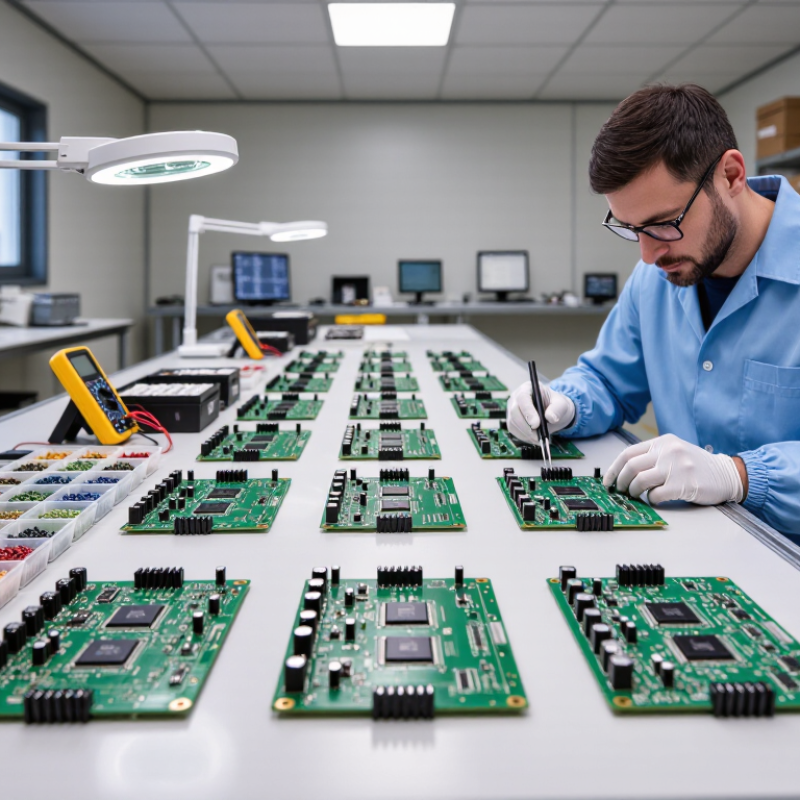
What Prototype PCB Assembly Involves and Why It Matters
Prototype PCB assembly turns design files into a working electronic board. The process usually begins with Gerber files, a bill of materials, and clear assembly drawings. Engineers review footprints, component polarity, spacing, and manufacturing limits before production starts. A small mistake in a capacitor footprint can stop an entire board from working.
During assembly, solder paste is applied through a stainless-steel stencil. Pick-and-place equipment positions components with controlled accuracy. Reflow heating then bonds them to the board. Operators may use automated optical inspection, electrical testing, and X-ray inspection for hidden solder joints. These checks create useful evidence, not just reassuring words. Lot numbers, inspection records, and component certificates also help global buyers track quality across shipments.
Prototype assembly matters because it exposes practical problems before expensive mass production. A board may pass a schematic review but fail because a connector touches the enclosure. Heat, vibration, or a poorly placed test point can create another revision. That is normal. It is also where professional judgment matters most. Experienced teams compare the design with fabrication limits, suggest design-for-manufacturing changes, and document every approved adjustment. Buyers should request sample photos, test coverage, lead-time assumptions, and a clear process for handling defects. Perfect prototypes are rare. Clear feedback is more valuable.
How to Evaluate PCB Assembly Companies for Global Projects
For global projects, PCB assembly evaluation should begin with evidence, not attractive quotations. A 2024 PCB market report estimates the sector reached 83.8 billion dollars in 2023. That scale increases supplier choice, but also increases quality variation. Ask for recent yield data, defect rates, corrective-action records, and customer references from similar product classes. A capable partner should explain its process clearly.
Check production controls against IPC-A-610 requirements. Review automated optical inspection, X-ray inspection, solder-paste measurement, and functional testing. Ask how serial numbers follow each board from incoming materials to shipment. ISO 9001 certification helps, but it does not replace factory verification. Visit the facility if possible. Look closely at storage humidity, component labeling, and quarantine areas. Small details reveal discipline.
Global delivery requires more than assembly capacity. Confirm approved component sourcing, lifecycle monitoring, customs documentation, packaging standards, and backup production plans. Request a written timeline for prototypes, pilot builds, and volume orders. A supplier promising every date may be optimistic. That deserves scrutiny. In practical evaluations, I would score technical communication, response speed, and engineering feedback separately. A vendor that challenges an unstable design can prevent expensive rework. Price still matters, but the lowest quote may hide weak testing, substitution risk, or poor traceability. Even experienced buyers can overvalue polished presentations. Actual records matter more.
Seven Leading Prototype PCB Assembly Companies Compared
Seven Leading Prototype PCB Assembly Companies Compared
Choosing among seven leading prototype PCB assembly companies requires more than comparing prices. A reliable evaluation should examine engineering support, component sourcing, inspection, and delivery control. In practical projects, the strongest providers review Gerber files, bills of materials, and placement drawings before quoting. They also flag missing footprints or unclear tolerances early. That small step can prevent costly rework.
The comparison should consider prototype quantities, board complexity, and assembly technology. Some companies focus on quick two-layer boards, while others handle fine-pitch packages, rigid-flex designs, or mixed-technology assemblies. Ask whether each provider uses automated optical inspection, X-ray inspection, and controlled soldering profiles. Check their traceability process too. Lot records matter.
Experience shows that communication often separates a smooth build from a frustrating one. A capable partner gives clear design-for-manufacturing feedback and reports substitutions before production. Certificates and published quality procedures add credibility, but they do not replace technical discussion. Request sample inspection reports and ask how defects are corrected. Vague answers deserve caution.
No comparison is perfect. Public delivery claims may not reflect peak-season delays or difficult component shortages. A low initial quote can also exclude tooling, testing, or shipping charges. Buyers should score each company against the same checklist, then verify critical details with an engineer. That approach feels slower, yet it exposes practical differences between seven otherwise similar assembly providers.
Key Services, Technologies, and Quality Standards to Review
Choosing a prototype PCB assembly partner requires more than a low quotation. Review its engineering process, inspection methods, and communication discipline. An experienced team should check Gerber files, BOMs, pick-and-place data, and approved alternates before production. Ask how engineers handle missing footprints, unclear tolerances, or obsolete components.
Small details matter. A clear design review can prevent a misplaced connector or reversed diode from reaching your test bench. For global buyers, confirm communication hours, export documents, packaging methods, and realistic prototype lead times. Strong service packages may include quick-turn SMT, selective through-hole assembly, cable work, and rework support. Ask whether the factory uses stencil optimization, solder paste inspection, AOI, and X-ray inspection for hidden joints.
These technologies reduce defects, but they do not replace skilled review. Request sample inspection reports, material traceability, lot records, calibration schedules, and corrective-action records. ISO 9001 practices and IPC-A-610 acceptance criteria provide useful benchmarks. RoHS or REACH declarations may support destination-market requirements. Do not accept polished claims without measurable proof. Request first-article photos, defect data, and a clear escalation contact. A supplier may still make mistakes; prototype work exposes them early. That is not automatically failure. What matters is response speed, root-cause analysis, and controlled revisions. I would compare supplier yield reports with your own test results, because both sides can misread a borderline solder joint.
How to Select the Right Supplier for Your Prototype Needs
Choosing a prototype PCB assembly supplier requires more than comparing unit prices. The right partner must prove process control, communication, and traceability. Grand View Research valued the global PCB market at $89.7 billion in 2023. It projects a 5.6% compound annual growth rate through 2030. This growth creates more supplier options, but not necessarily better prototype quality. Ask for inspection records, component sourcing rules, solder-paste controls, and rework limits. Verify support for your package mix, layer count, impedance needs, and expected volume. A clear quotation should separate tooling, engineering, materials, testing, freight, and revision charges. Hidden costs appear quickly.
IPC’s 2024 Electronics Industry Sentiment Report highlights material availability, labor, and delivery pressures across the sector. Request current lead-time data, approved alternates, and escalation contacts before ordering. Measure more than speed. Review first-pass yield, defect reporting, incoming inspection, and corrective-action records. Ask for photographs of stencil printing, automated optical inspection, and final packing. Can the supplier explain a failed board without defensiveness? That answer matters. Confirm relevant certifications and their validity. A video audit can expose crowded benches, weak labeling, or undocumented manual work. I would still avoid trusting polished dashboards alone. Small pilot lots reveal habits that presentations hide. One supplier may promise engineering support, yet charge heavily for each design change. Another may offer low pricing, but miss a two-day feedback window. Prototype success depends on evidence, responsiveness, and honest limits.
Prototype PCB Assembly Supplier Selection Priorities
This buyer-oriented scorecard uses a 100-point evaluation framework rather than company performance data. Delivery speed, engineering capability, quality control, communication, and total cost are the key dimensions to compare when selecting a prototype PCB assembly supplier.
FAQS
It turns design files into a working circuit board. Engineers review Gerber files, the bill of materials, and assembly drawings. They check footprints, polarity, spacing, and manufacturing limits.
It reveals practical problems before mass production begins. A connector may touch the enclosure. A test point may sit beneath a bracket. These discoveries guide the next revision.
Provide Gerber files, a complete bill of materials, placement data, and assembly drawings. Include approved component alternatives when possible. Missing details can delay quoting or production.
Solder paste passes through a metal stencil. Pick-and-place equipment positions components accurately. Reflow heating bonds them to the board. Small alignment errors can still cause failures.
Useful checks include optical inspection, electrical testing, and X-ray inspection. X-ray can reveal hidden solder joints. Ask for inspection images and test coverage, not only general assurances.
Compare engineering support, sourcing control, inspection methods, and delivery records. Use the same checklist for every provider. A cheap quote may exclude tooling, testing, or shipping.
Lot numbers, material certificates, and inspection records connect components with specific shipments. They help teams investigate defects later. The records may look tedious, but they matter.
Ask about sample photos, prototype lead time, component substitutions, defect handling, and escalation contacts. Confirm packaging and export documents. Vague answers deserve caution.
Rarely. Heat, vibration, enclosure fit, or a misplaced diode may require changes. A strong response includes root-cause analysis and controlled revisions. Even experienced teams can misread a borderline solder joint.
Conclusion
Prototype Pcb Assembly is a critical stage in turning a circuit design into a functional, testable product. It typically includes component sourcing, printed circuit board fabrication, surface-mount and through-hole placement, soldering, inspection, and functional testing. For global buyers, choosing the right assembly partner can reduce development risks, shorten lead times, and provide valuable feedback before mass production begins.
This article explains how to evaluate prototype assembly companies by reviewing their manufacturing capabilities, engineering support, communication practices, pricing, production flexibility, and delivery performance. It also compares seven leading types of suppliers according to their services, technologies, quality systems, and ability to support international projects. Special attention is given to inspection methods, traceability, certifications, design-for-manufacturing guidance, and small-batch capacity. By matching these factors with project complexity, budget, schedule, and future production goals, buyers can select a reliable supplier for efficient and successful prototype development.

